ACRYLIC SCULPTURE
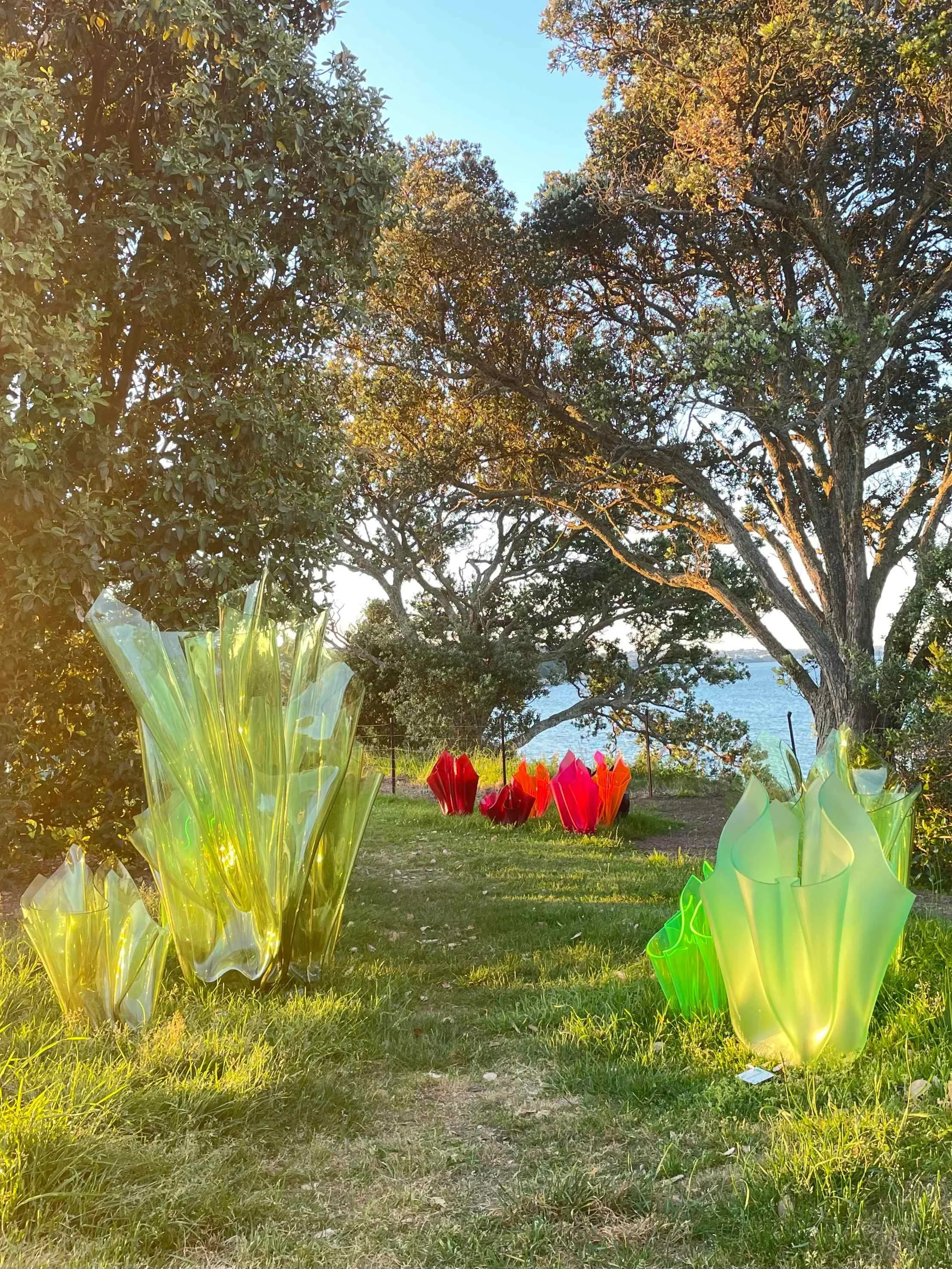
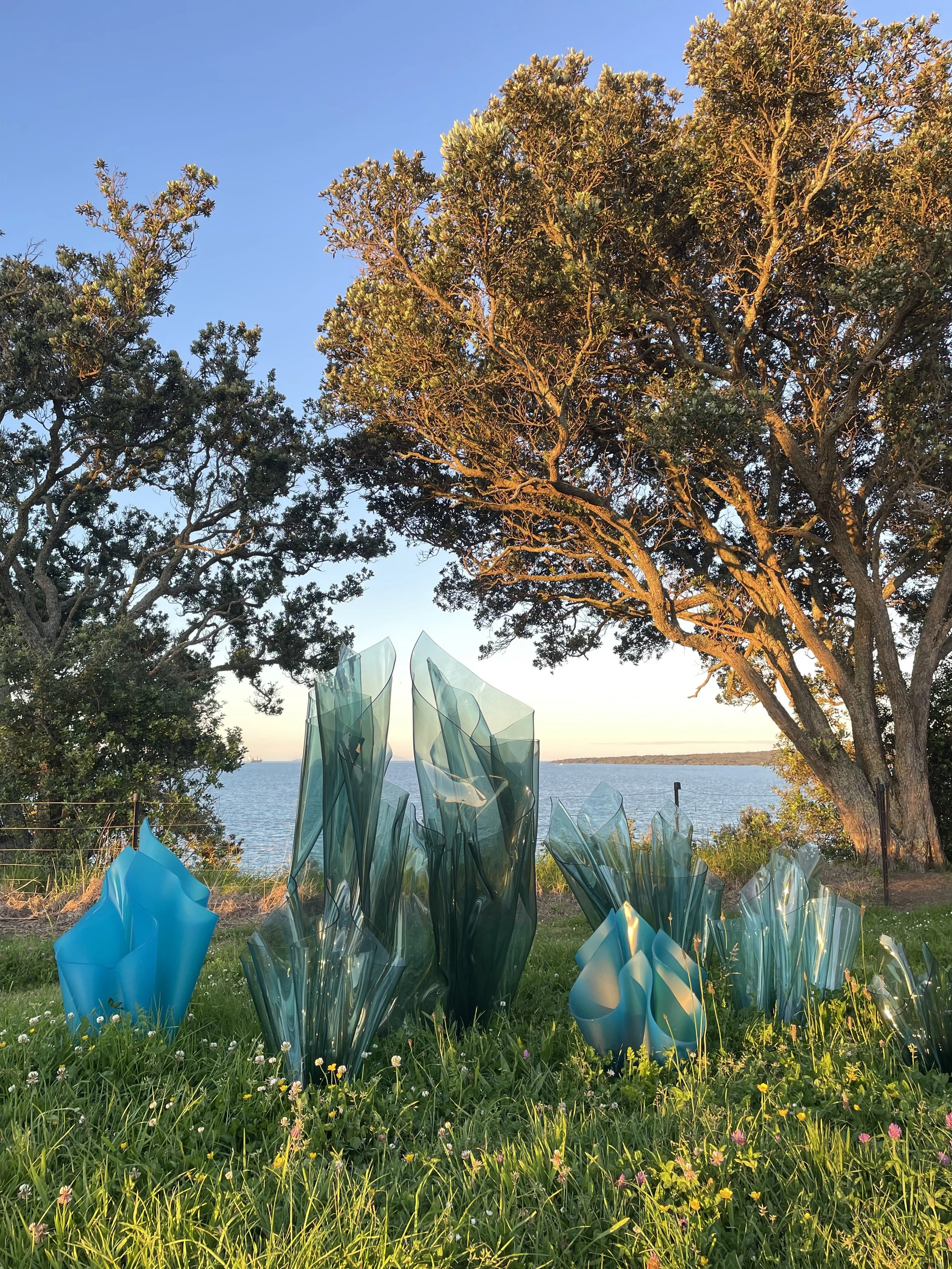
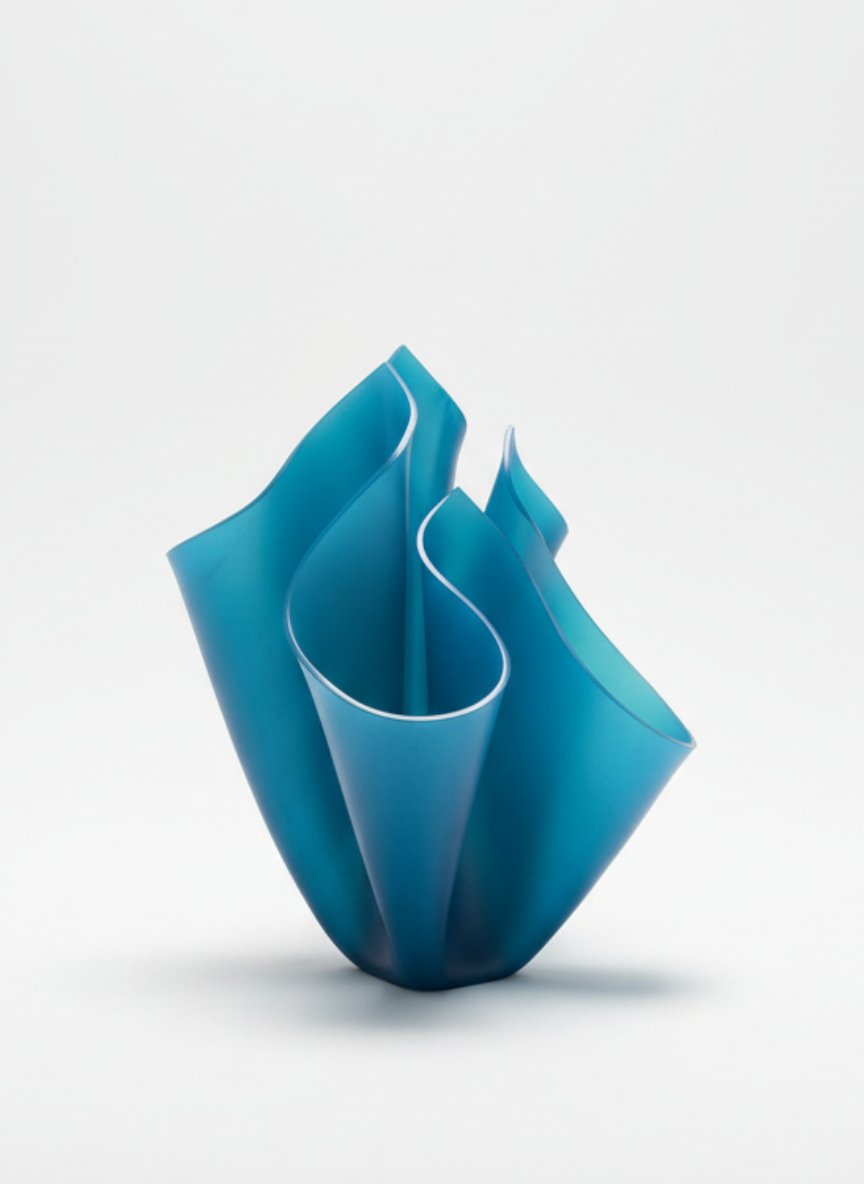
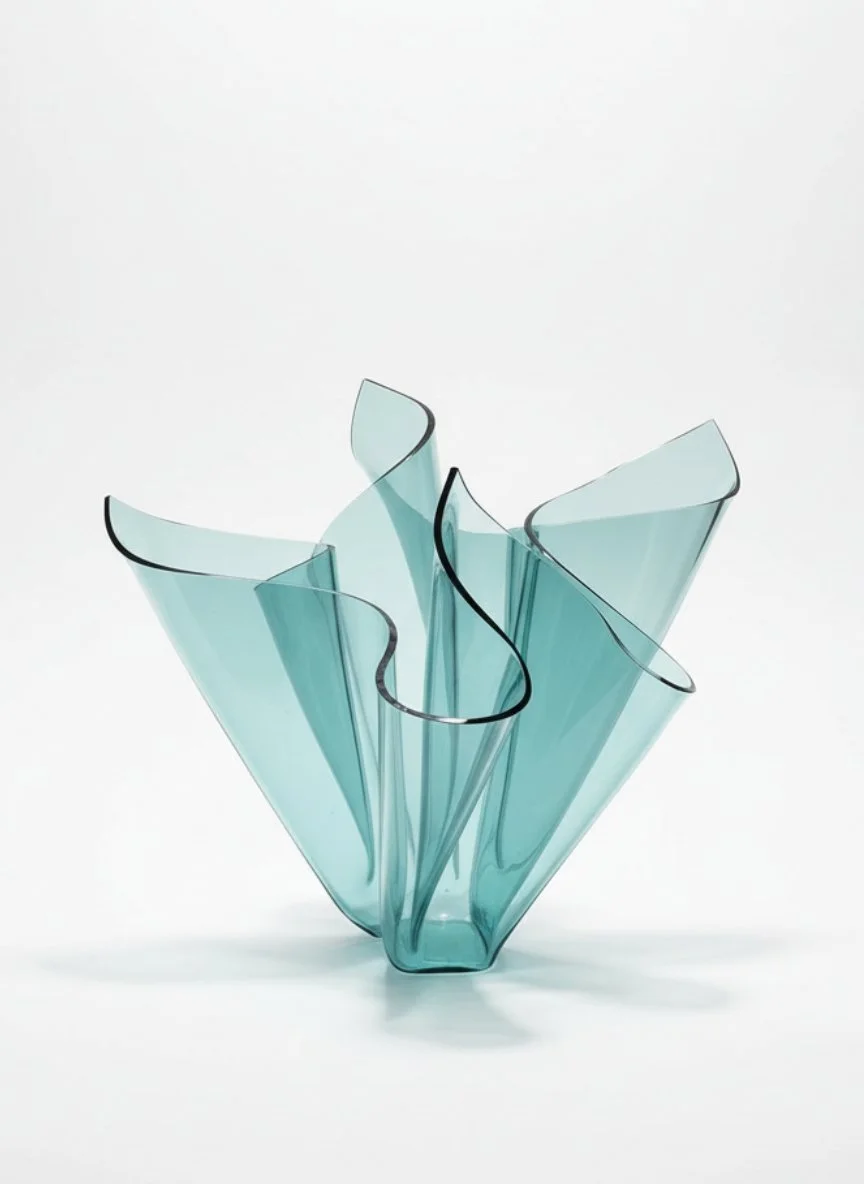
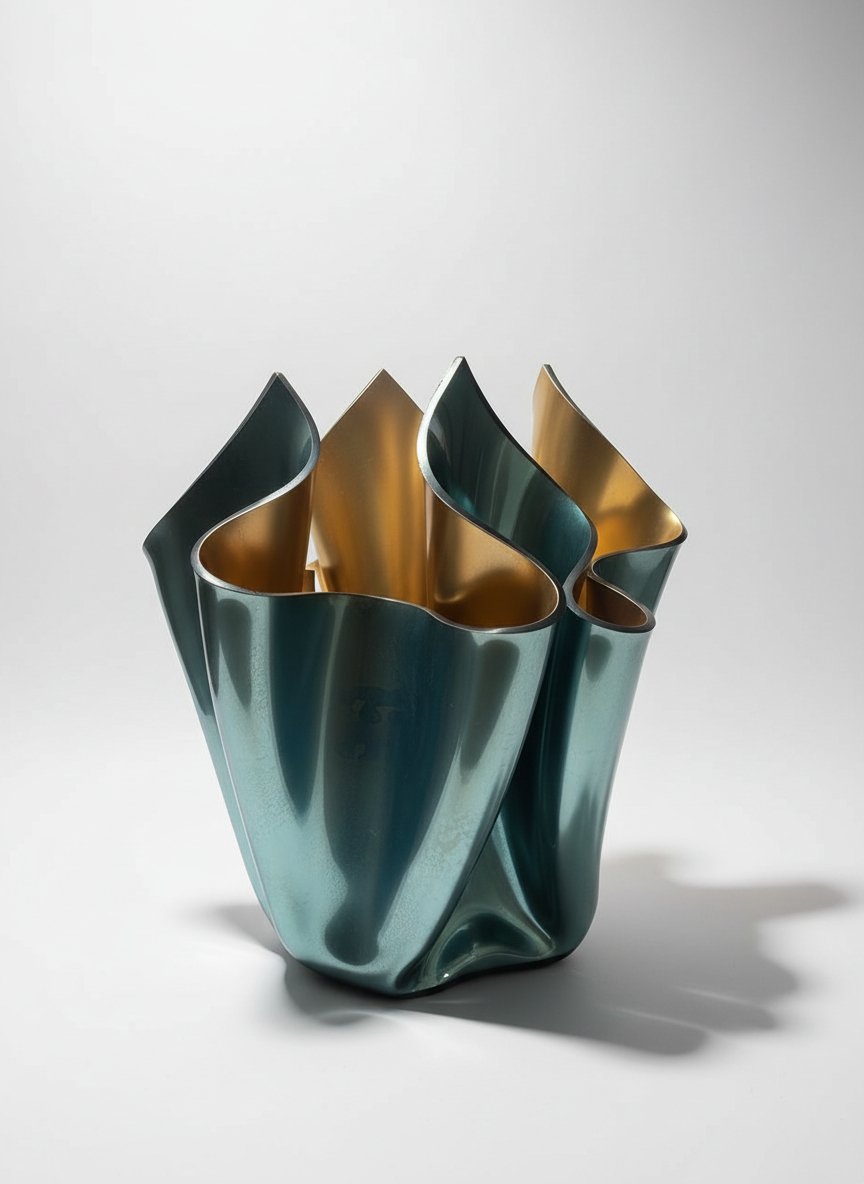
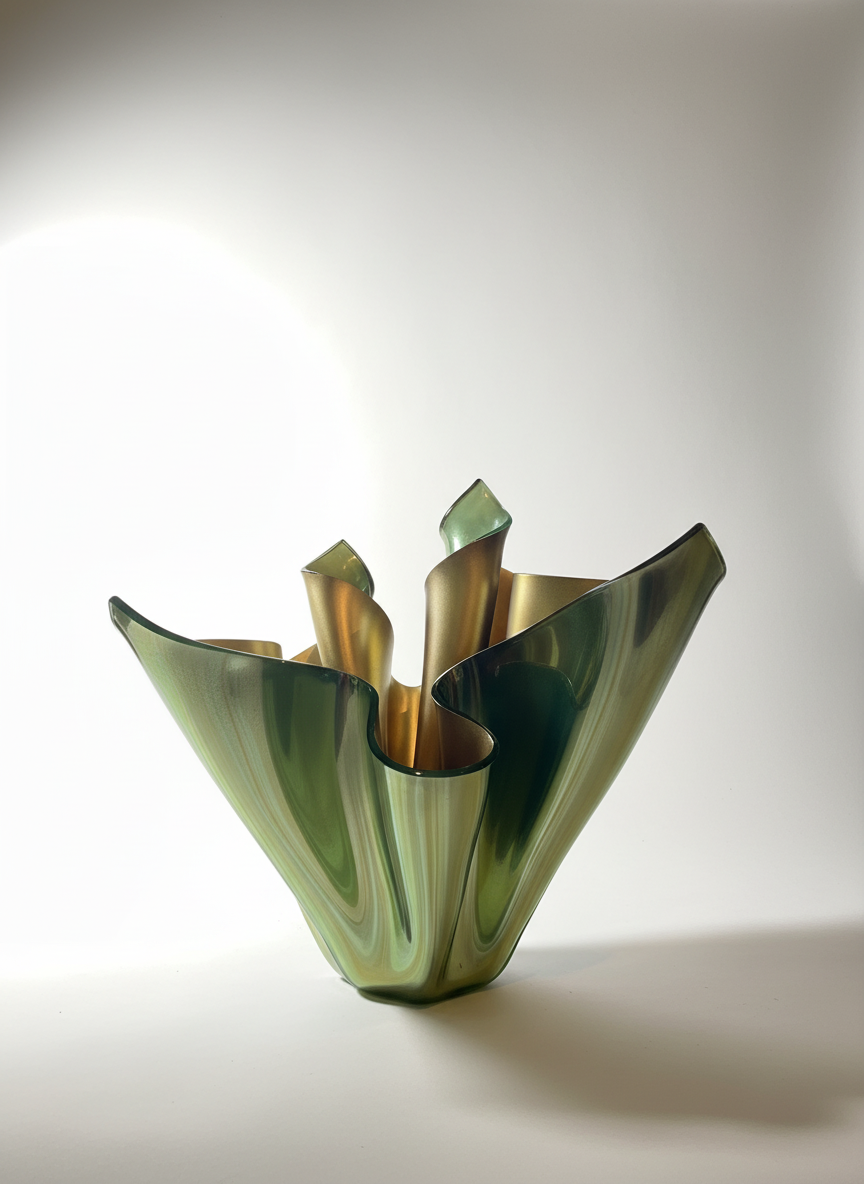
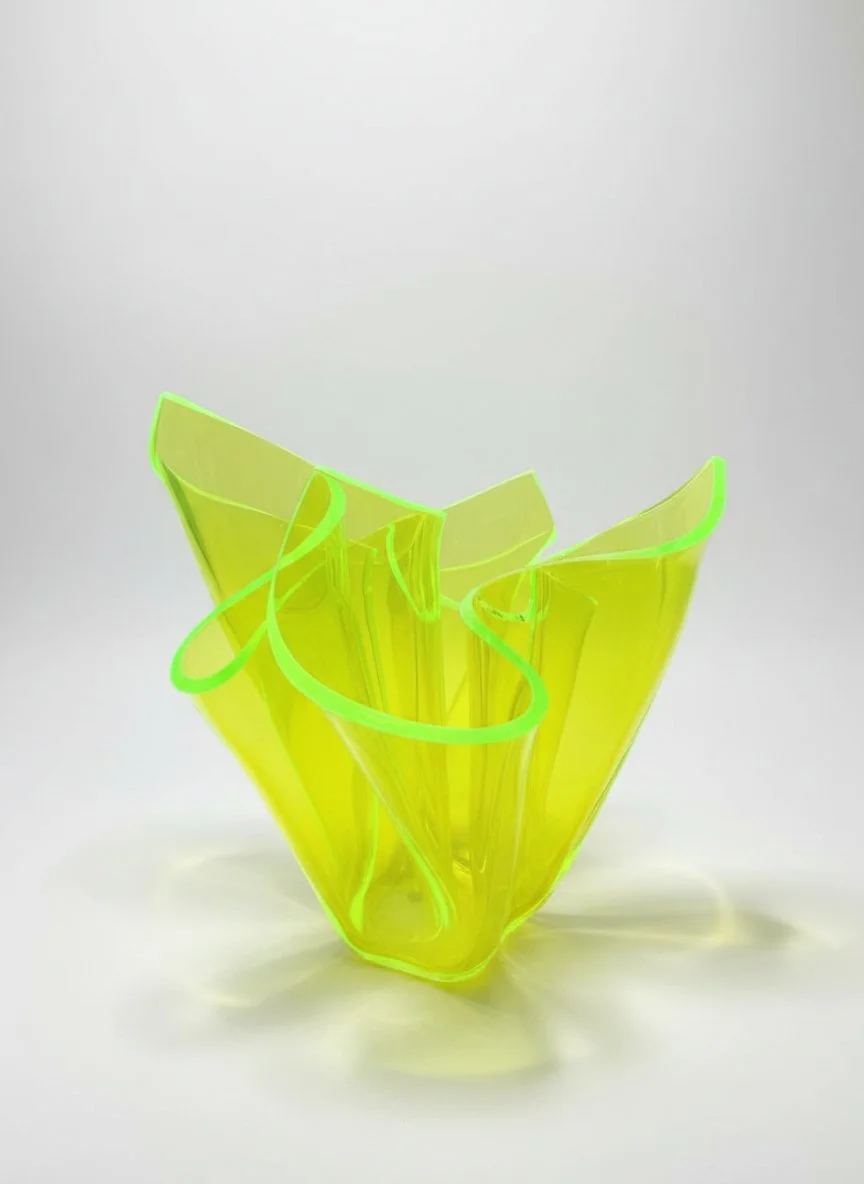
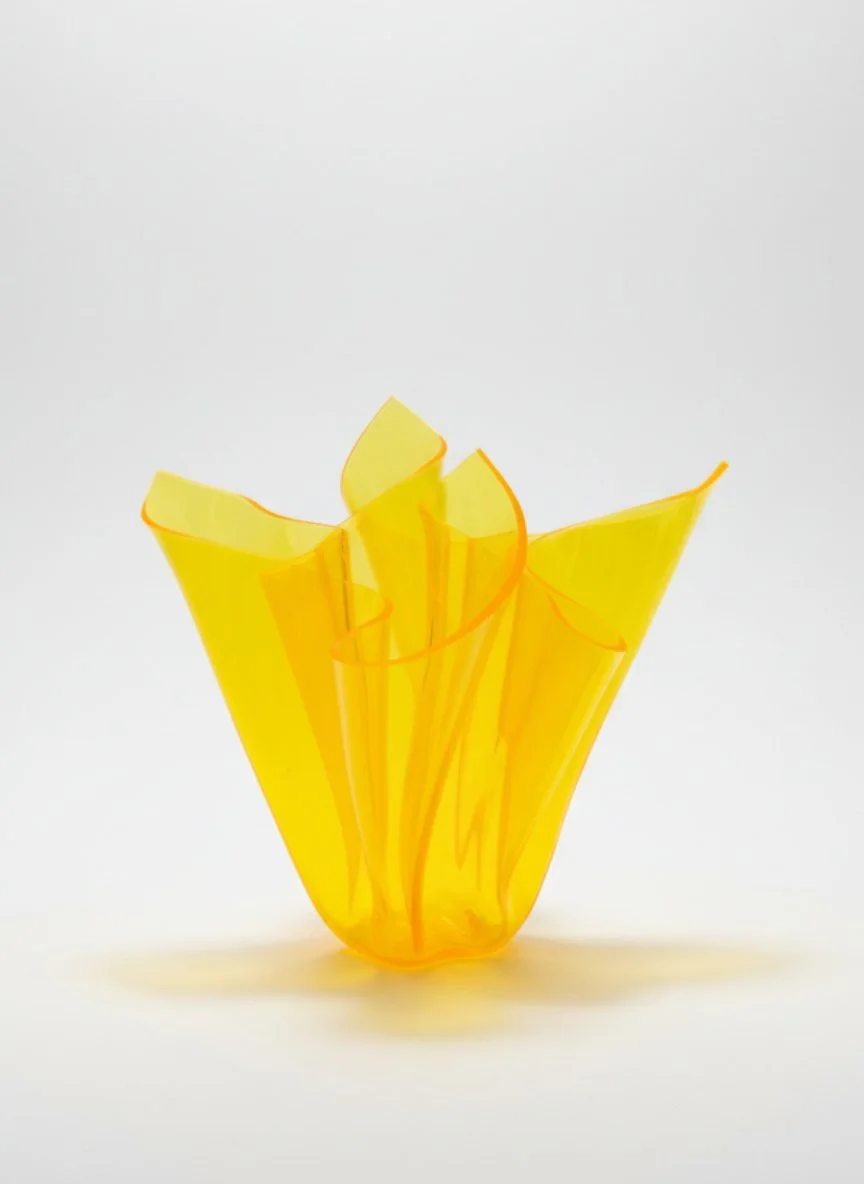
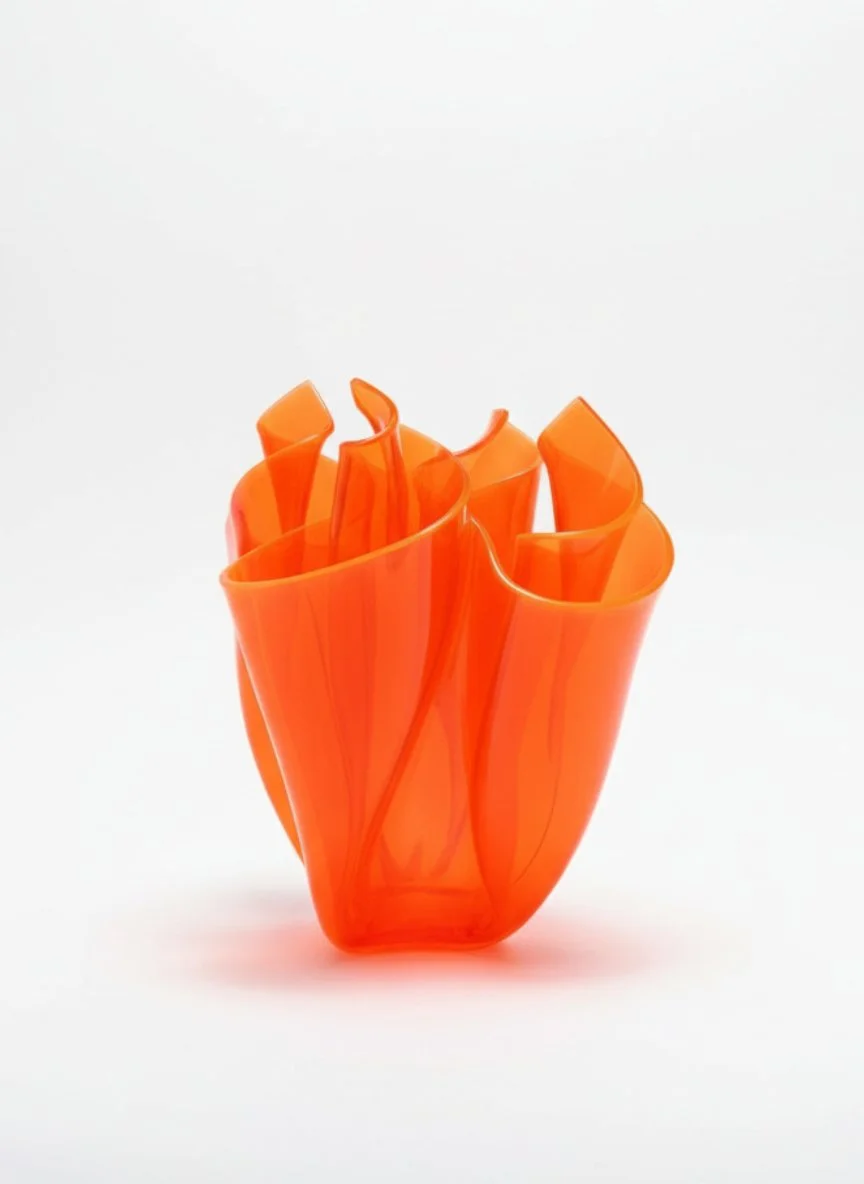
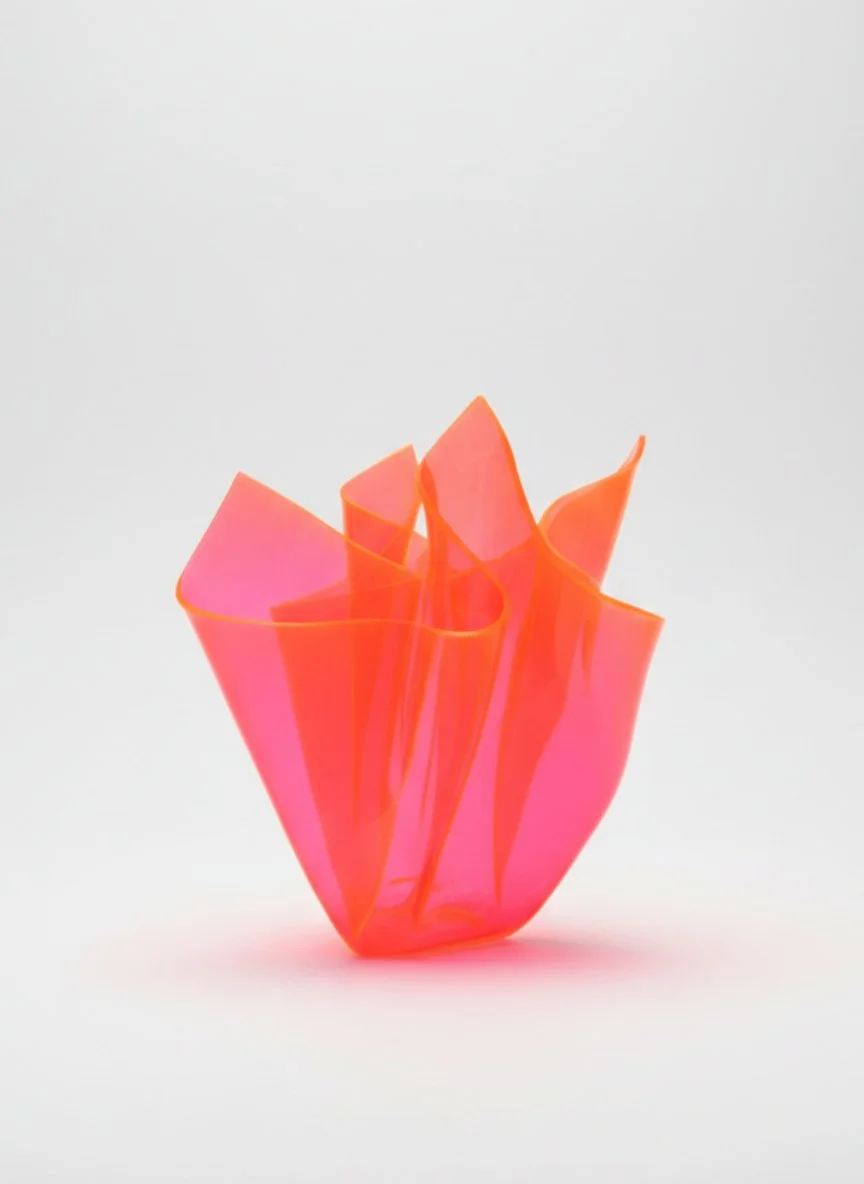
I began experimenting with acrylic in my first year of Architectural Studies at the University of Auckland in 2022. It was part of an architectural media course that tasked me to experiment with certain materials and their properties. This led to the creation of “Bloom” sculptures, where form and space are created simply using a single sheet of acrylic. Thermoformed with fire, I distinguished a technique I call “Volumetric Origami” because the process is like folding paper, but when it cools, it holds its rigid form. I have developed four series of works in different colours, finishes, thicknesses and forms.
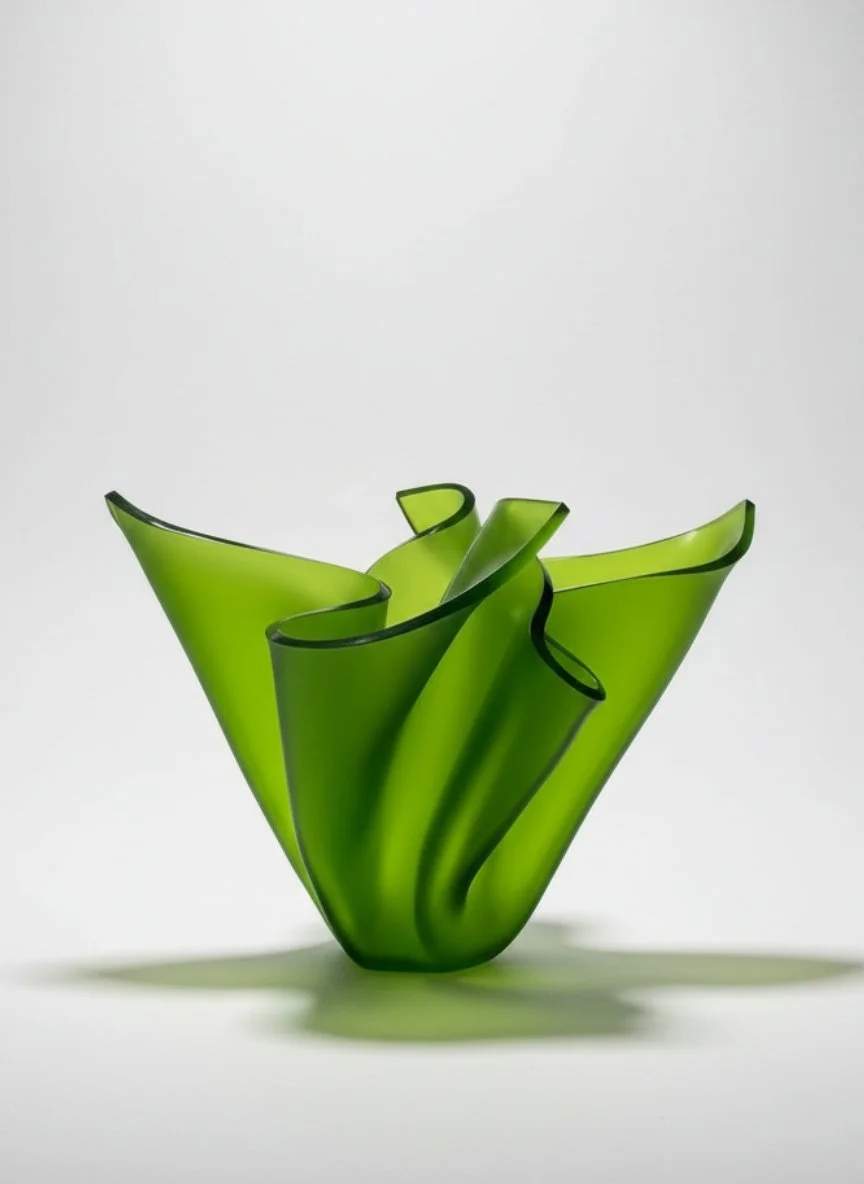
Thermoformed by fire, this work explores the simplest gestures of creating form. Folded and inverted—like the creases of paper—the Bloom series transforms flat planes into balanced three-dimensional structures, where rigidity emerges from tension and symmetry.
Each form is defined by the number of folds introduced during the thermoforming process. I have developed a series of variations—two fours, a six, an eight, and a ten-plus fold—titled Lotus, Quatra, Flower, Clover, and Blaze, respectively.
Every piece is individually handmade, with careful attention to material behaviour, precision, and finish.
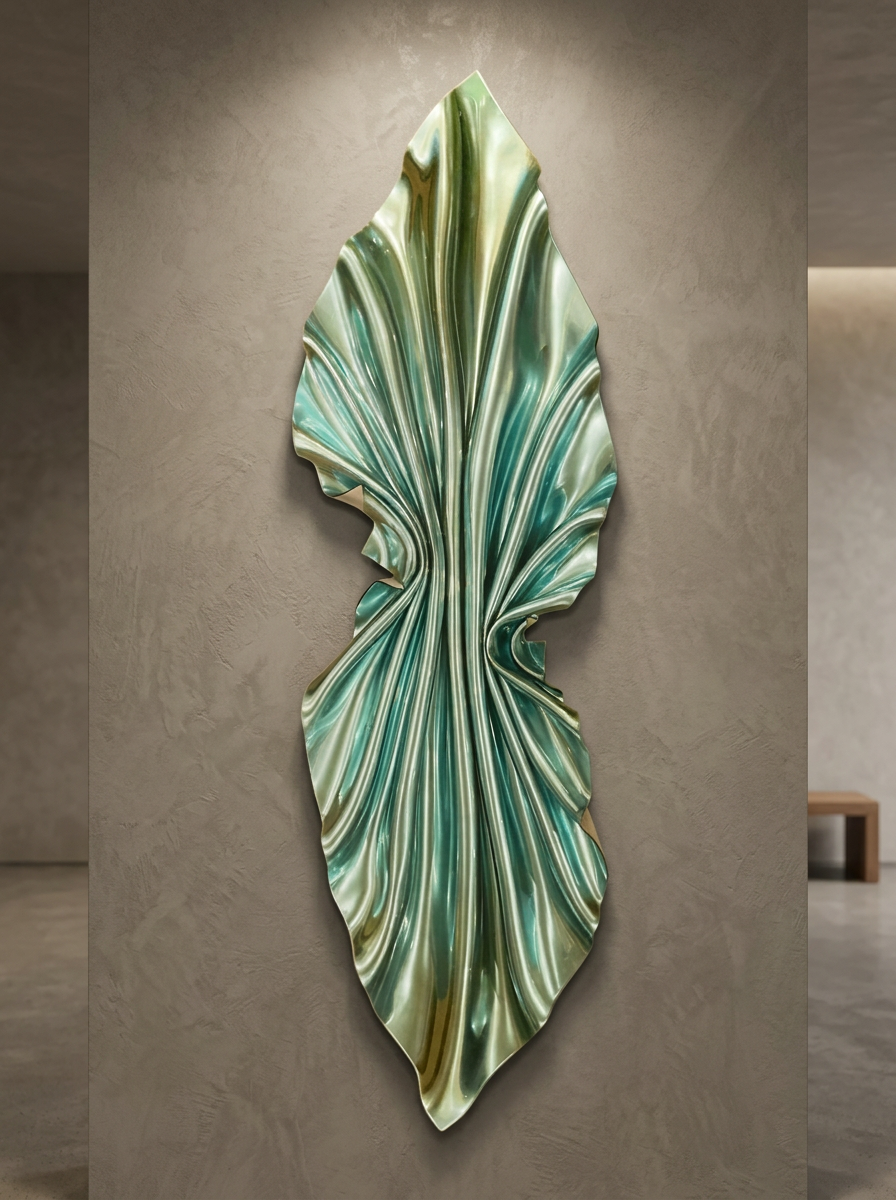
Developed in 2025, this wall-based series extends the work to a bodily scale, engaging directly with human proportion and spatial perception. These pieces have garnered strong attention for their ability to transform domestic interiors through tactile, geometric abstraction.
Three primary forms define the series: Crunch, Ripple, and Ripple Crunch. Each explores variations in compression, flow, and tension, balancing precision with expressive ambition. The Ripple Crunch in particular suggests a subtle figural presence, evoking an abstract figuration of the body.
Constructed from lightweight materials, the works are designed for practical integration into everyday spaces, including standard GIB walls. Most statement pieces range between 7 and 14 kilograms, combining visual impact with ease of installation.
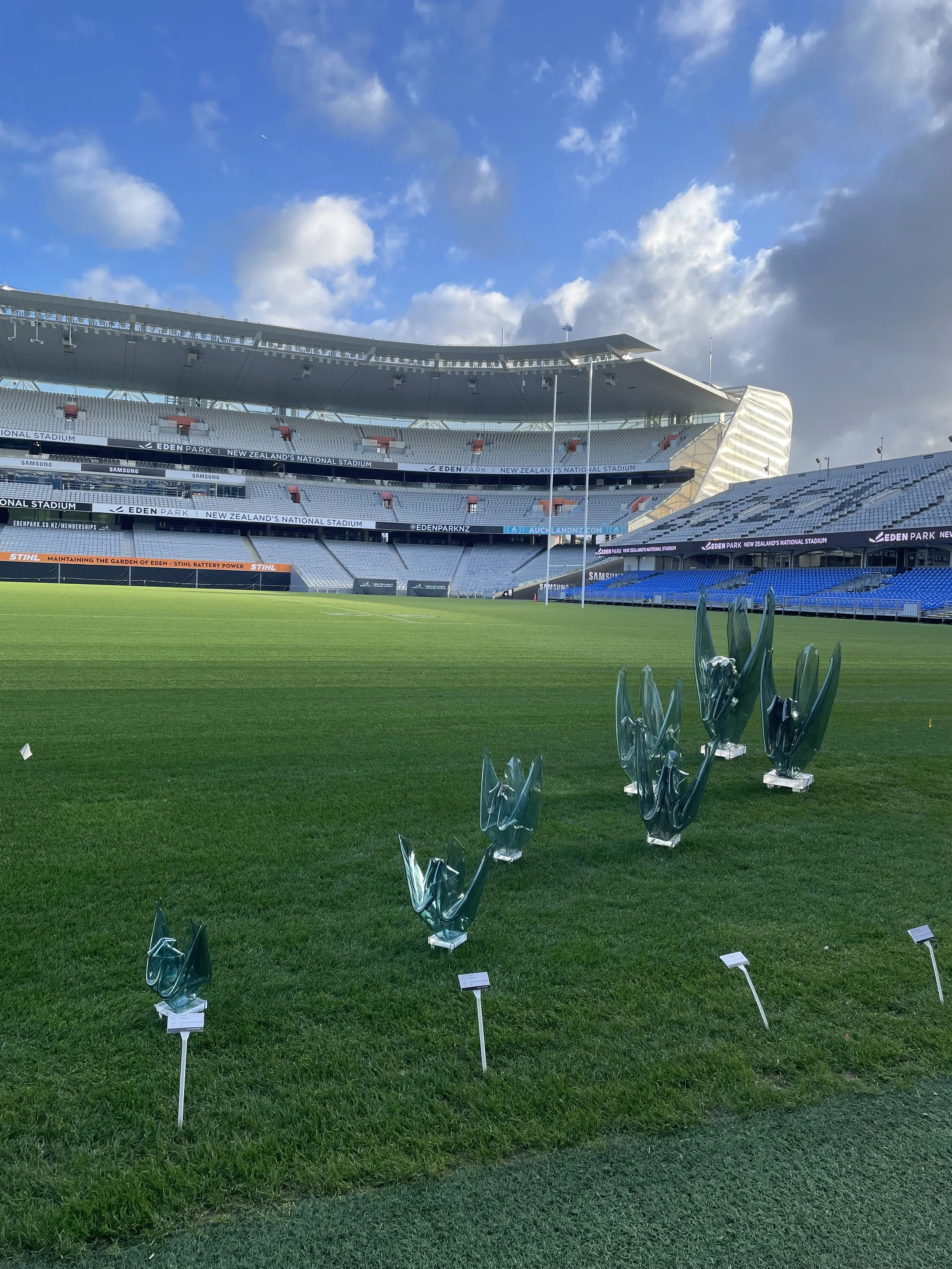
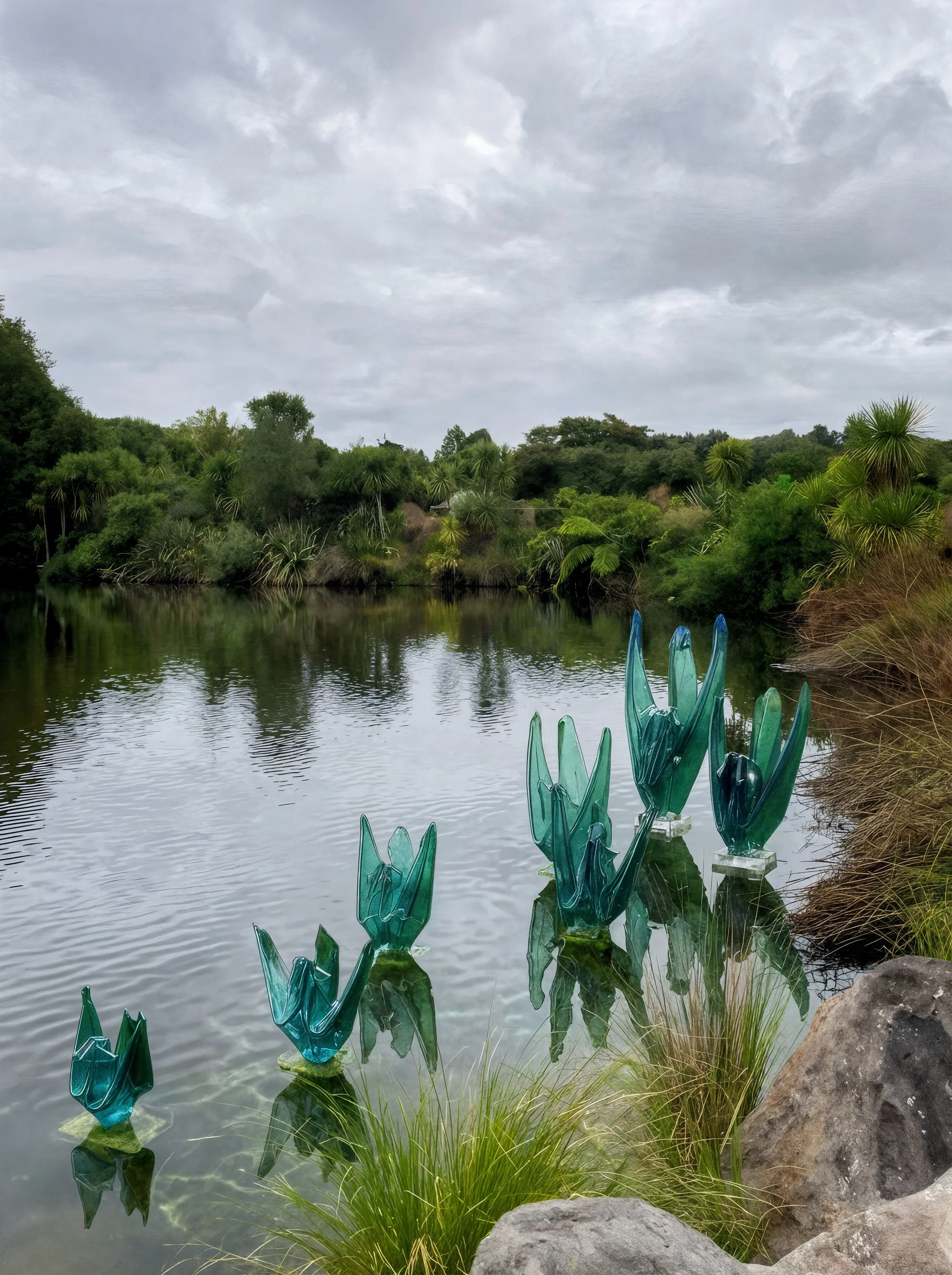
The Crane series was developed as an alternative formal exploration to the Bloom series. While grounded in a similar process, these works more explicitly engage volumetric origami—reimagining the folded crane as if formed from paper, yet realised in acrylic.
Through experimentation, the process required adaptation. The tight, compounding folds of a traditional paper crane are not directly transferable to acrylic due to constraints of material stress, heat control, and fusing. A new method was therefore developed to preserve the essence of the form while responding to the material’s behaviour.
The series debuted on the pitch at Eden Park’s Art in the Park. Designed for both interior and exterior display, the cranes are mounted on recycled clear acrylic plinths and are UV-resistant, allowing them to respond dynamically to changing environments.
In certain early morning conditions, a fine layer of condensation—like dew—settles on the surface, diffusing transparency and giving the crane a more solid, almost monolithic presence. As the moisture lifts, the work gradually returns to clarity.
The Volute series has been an ongoing line of inquiry, reaching a point of resolution in late 2025 and early 2026. Initially explored at an enlarged scale during the Fo Guang Shan Art Salon, the work investigated processes of weathering and temporal change. This phase revealed that the strength of the volute form lies not in isolation, but in aggregation.
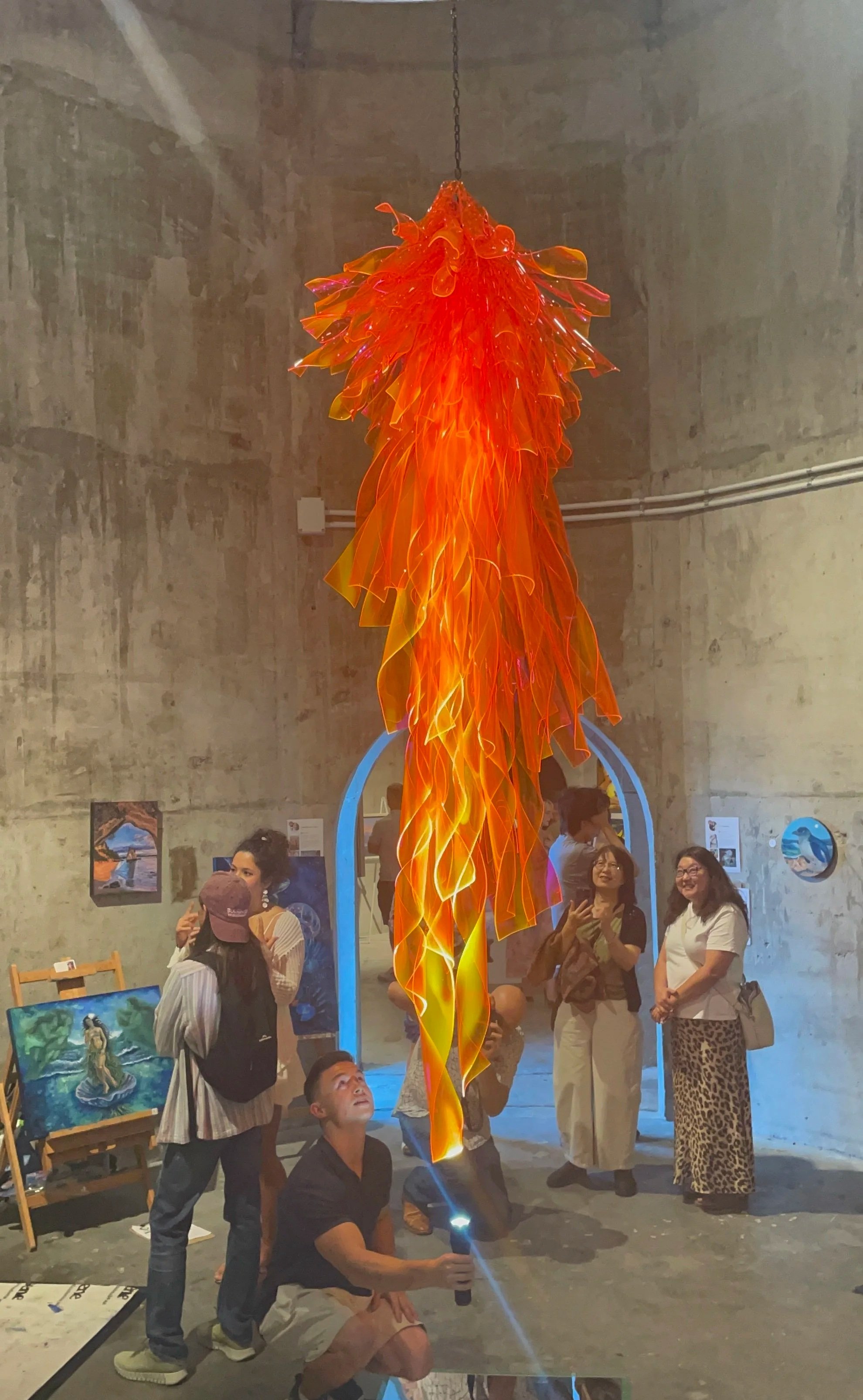
Building on this insight, the series expanded in March 2026 through a large-scale installation at Silo 6. One hundred fluorescent orange volutes were suspended to form a chandelier-like composition, occupying the space with both lightness and intensity.
Evoking the drifting presence of an abstract jellyfish, the installation also suggested something more volatile—resembling a dragon’s breath suspended in mid-air. Rising to three metres in height, the work immersed the public in a vivid spatial experience, drawing attention to movement, density, and the collective power of repeated form.
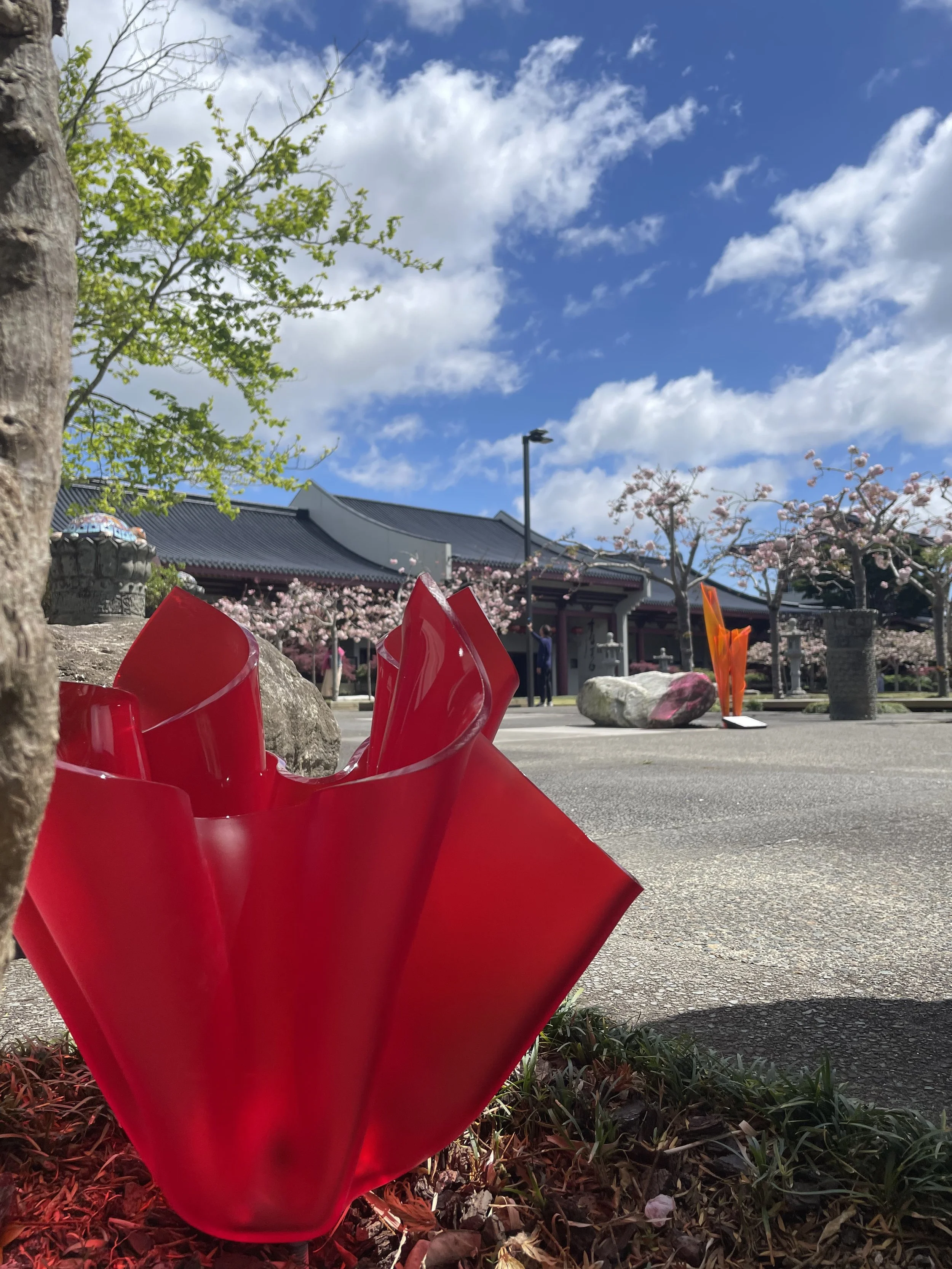
Outdoor installation is possible, though it requires careful consideration. Acrylic is inherently suitable for exterior use, offering UV, corrosion, and water resistance. Upon request, these sculptures can be adapted for outdoor exhibition.
Plinths and installation systems are custom-designed to suit specific site conditions and are available at an additional cost. Solutions can be tailored for a range of environments, including permeable ground, hard surfaces, and water-based settings.